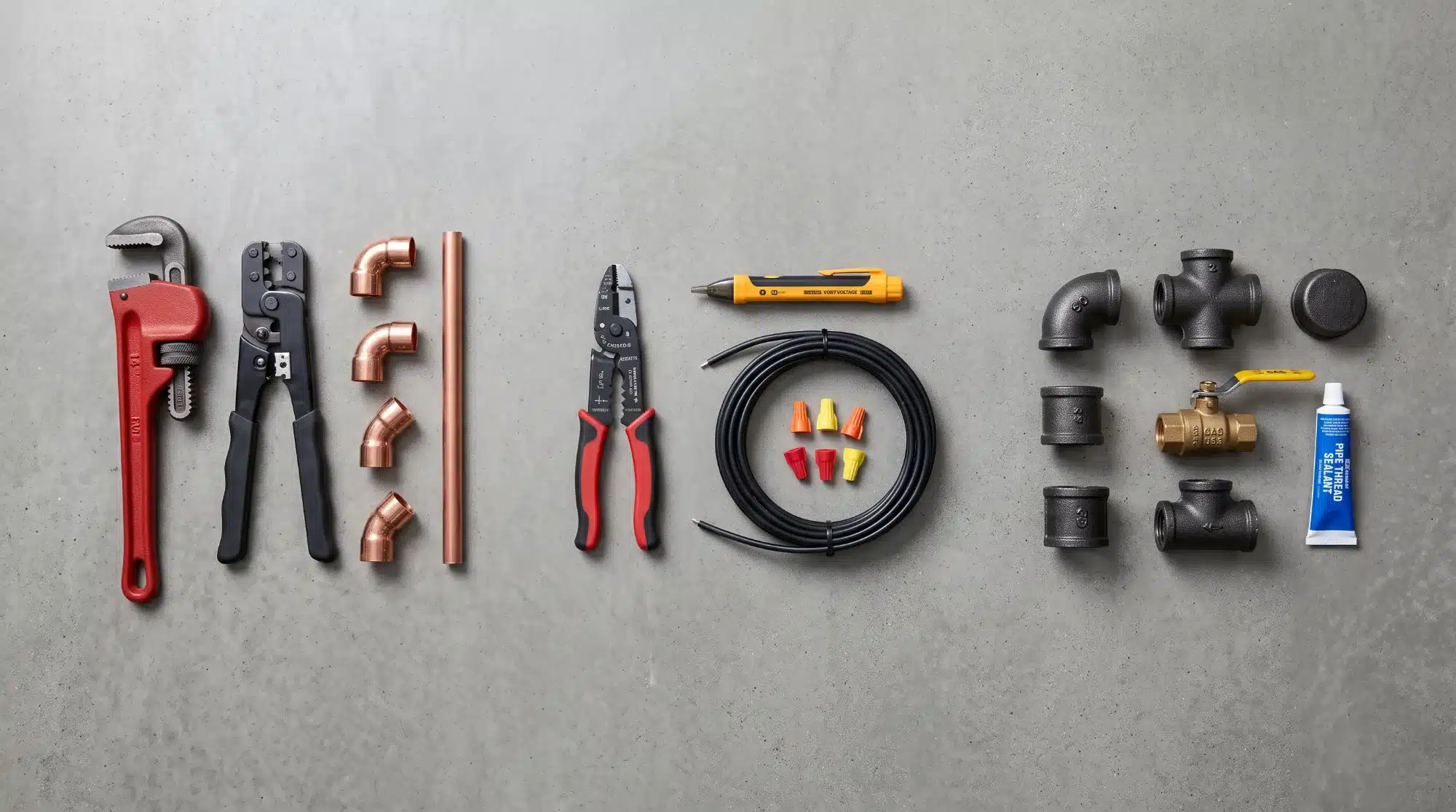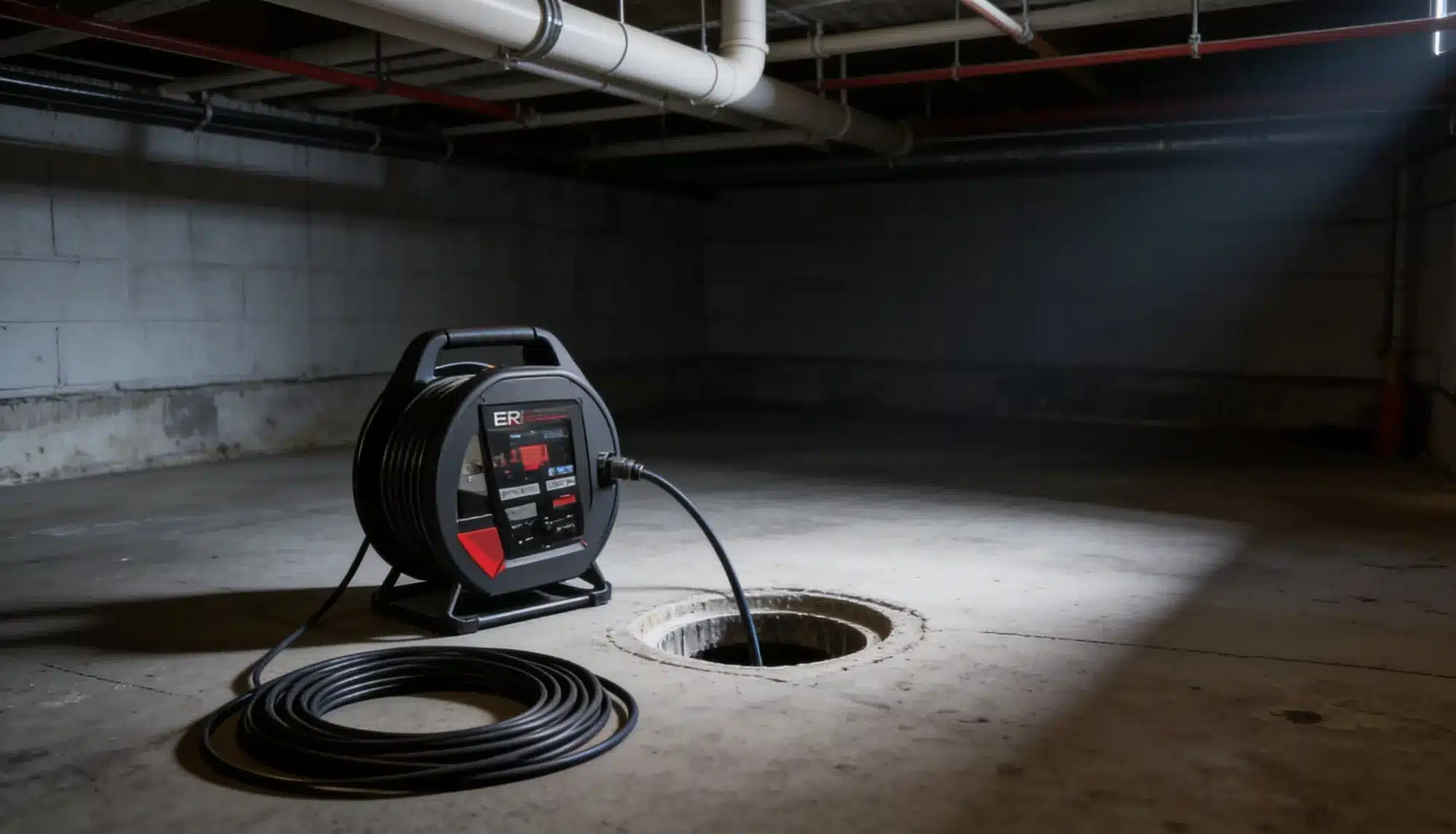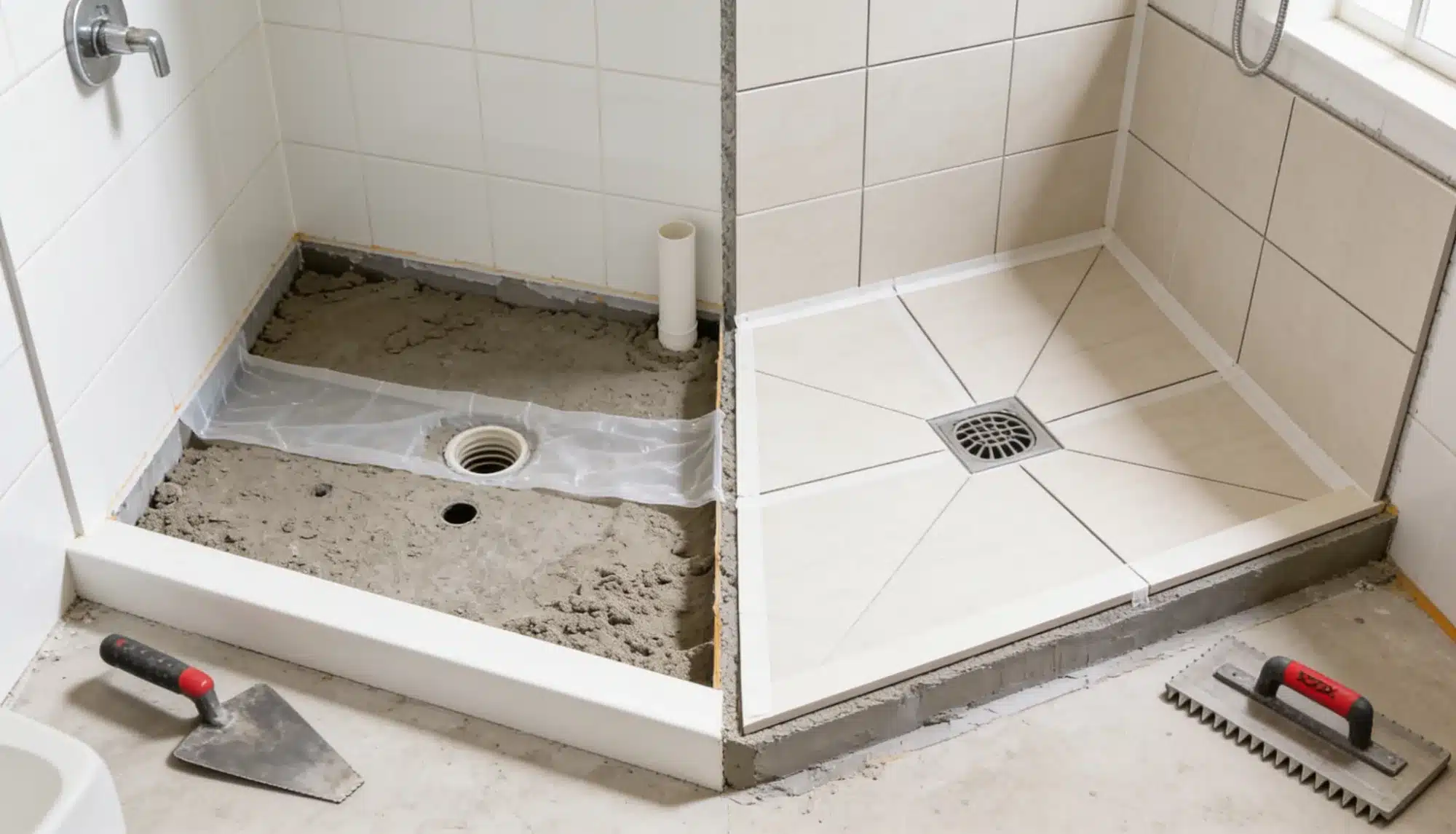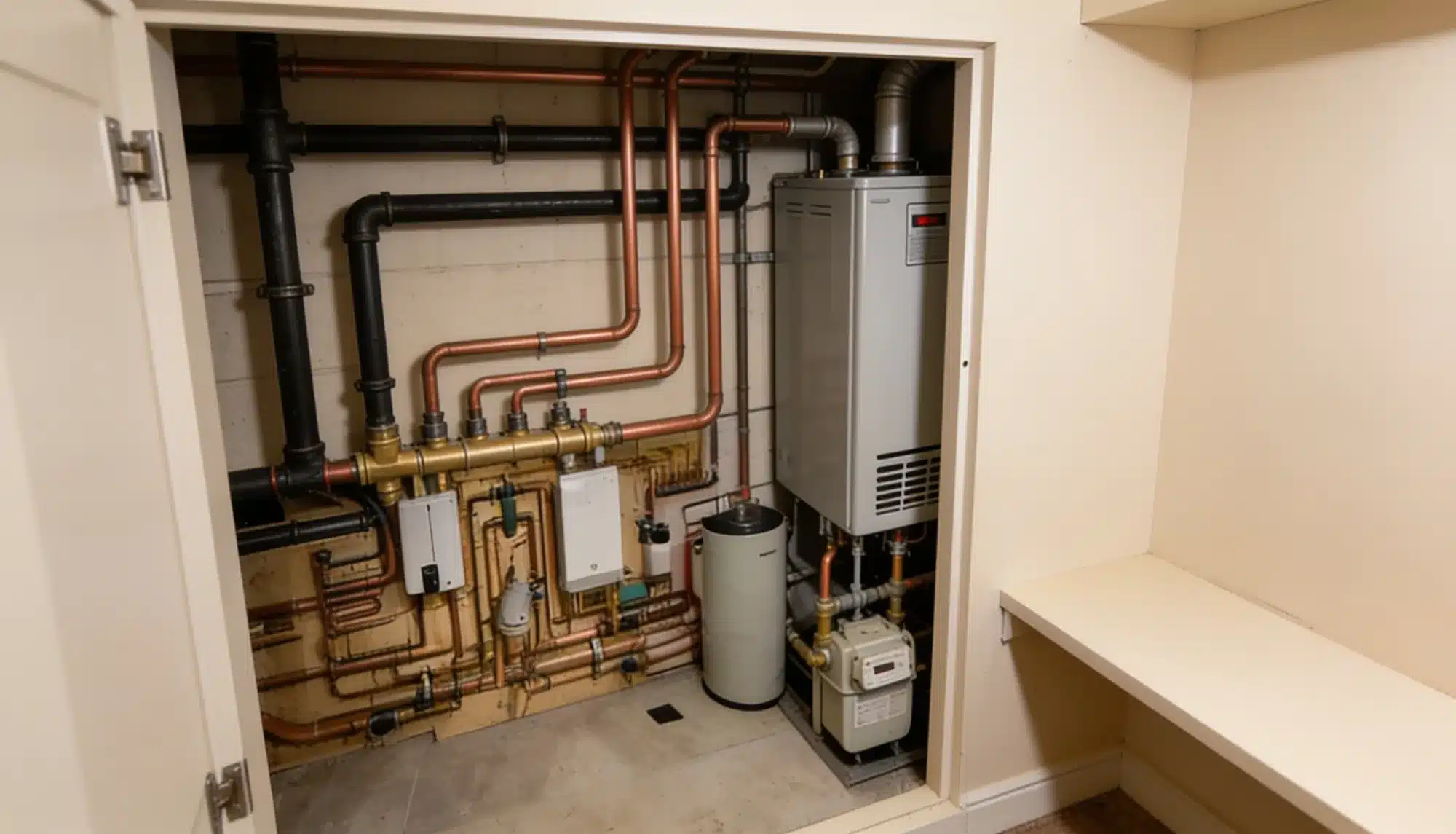
A construction or renovation budget can start to slip long before anyone picks up a tool. Often, the trouble begins when important decisions are left open: what is included in the quote, which products will be installed, and what happens if existing systems need work before the new finishes go in.
One of the best ways to manage those costs is to hire contractors who know their trades, ask detailed questions, and give you honest answers—even when those answers are hard to hear. At ER Plumbing and Heating, we believe a good contractor should help you understand the work before it begins, rather than wait until a problem becomes a change to the bill.
Choose a contractor who will tell you what you need to know
When you’re comparing contractors, price matters. So do the quality of their work and the questions they ask. A contractor who immediately says “no problem” without discussing existing conditions, your goals, or the details of the installation may be leaving important decisions for later. Those decisions then get made on the fly, when you have fewer options and work is already underway.
Ask about relevant trade qualifications, comparable projects, references, and who will actually perform the work. Pay attention to how the contractor explains risks. Look for someone who approaches the job with the same care they would give their own home, rather than someone focused solely on getting in and getting out.
That means looking ahead. What does the home need now, and what might it need in the future? If a wall or floor is already open, is there work worth addressing before it is closed up? A good contractor will raise those questions and explain your options, even if the answers are inconvenient.
Honest answers can sometimes be uncomfortable, but discovering those issues during planning gives you more control. The easiest route on installation day is not always the best route for your home.
Get a detailed scope of work before you commit
A quote should do more than name a room and give a total. A clear scope should describe the work, the products and fixtures being supplied, what the homeowner must provide, and what is excluded. It should also identify decisions that still need to be made and explain how changes will be priced and approved.
For a bathroom renovation, that may mean confirming the shower fixtures and their specification sheets, the number and location of shower heads, and the drain position. It also means checking whether the existing water supply and drainage can serve the proposed layout. The scope should make clear who is responsible for demolition, waterproofing, tile, plumbing, electrical work, and painting.
Your general contractor should coordinate the project, bring in qualified trades where needed, and help turn your vision into a finished space. Ask who will complete each part of the work and how the trades will coordinate. Do not assume that one person will perform every specialized task.
For a new home or major renovation, involve the relevant trades early. Heating equipment choices, hot water demand, the number of bathrooms, energy efficiency goals, and your expectations for comfort can all affect the design and cost. Those discussions are easier to have before the systems are installed.
Decide how surprises will be handled
Even a thorough inspection cannot reveal everything hidden inside walls or under concrete. A realistic budget should leave room for concealed conditions, particularly in older homes.
What matters is having a process before work starts. If an issue is uncovered, the contractor should explain what was found, present the options and costs, and get your approval before proceeding with a change.
Ask for changes to the scope in writing. The record should show what is changing, why, the price difference, and whether the schedule is affected. That keeps everyone working from the same plan.
Avoid expensive decisions mid-project
A last-minute change to one item in the scope can affect more than the price of that item. Changing a shower fixture, for example, may mean revisiting the plumbing layout, ordering different materials, adjusting work already scheduled, and coordinating with other trades. What sounds simple at first can have a ripple effect on cost and timing.
The goal is to make as many decisions as possible while you still have time to compare options. A detailed scope, agreed-upon selections, and a clear process for changes can prevent avoidable cost increases and give you a more dependable budget.
If you are planning a bathroom renovation, plumbing upgrade, or new home in Windsor or Essex County, ER Plumbing and Heating can help you work through the plumbing and heating details before construction begins. We will give you straightforward answers so you can make informed decisions about your project.
Quick Q&A
Why do renovation projects go over budget?
A poorly defined scope can leave necessary work or product selections out of the original price. Changes made after work begins and concealed issues can add cost as well. A project that appears to be $10,000 at the outset could end up costing considerably more if major items were never clearly included. Ask what the quote covers before comparing totals.
What should be included in a renovation quote?
Look for a description of the work, the trades involved, specified fixtures or equipment, who supplies each item, what is excluded, responsibilities for permits and restoration where applicable, and a process for approving changes. Ask for clarification wherever the wording could be interpreted more than one way.
Is the lowest renovation quote the best value?
It depends on what each quote includes. Compare the scopes line by line, including products, labour, the trades involved, and exclusions. If one quote is much lower, ask whether the contractors have priced the same work.
When should I speak to a plumber or heating contractor?
As early as possible, especially if you are changing a bathroom layout, planning a custom shower, building a new home, or choosing new heating and hot water equipment. Early input can identify design constraints while you still have options.